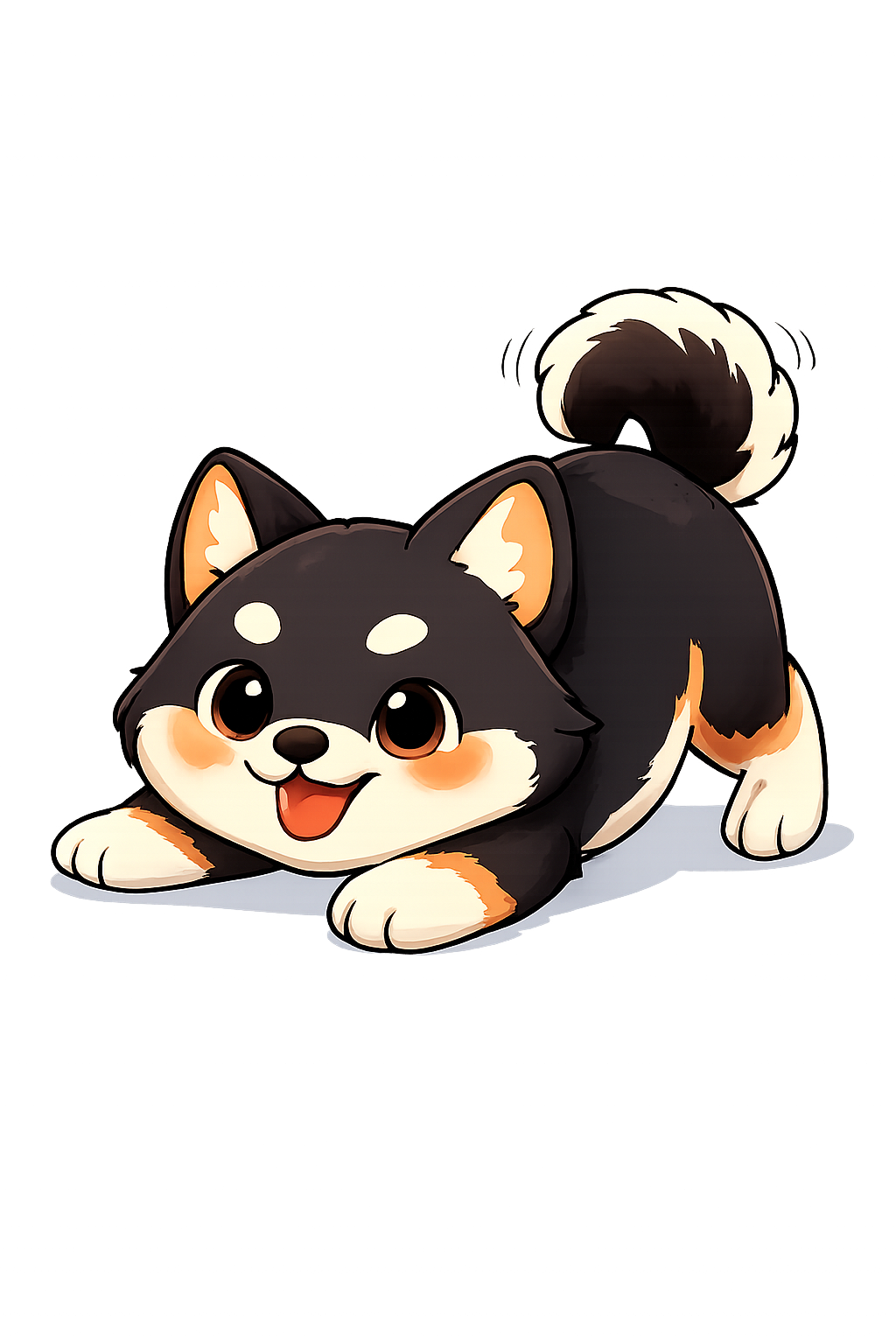
Shibas are not broken Labs. They are Shibas. Education is how we prevent returns, reduce stress, and build real-world homes that work for this breed.
The Shiba Inu is one of Japan’s oldest native dog breeds. Long before modern pet culture, Shibas existed as small hunting dogs in mountainous regions where agility, awareness, and independent decision-making mattered more than obedience.
They were bred to move through dense brush, navigate rough terrain, and make fast choices without waiting for instruction. These dogs were shaped to work alongside humans, not under constant direction.
Modern Shibas still carry this history in their instincts and priorities. Understanding where the breed comes from is the first step in setting fair expectations.
And here is the part we never want to lose in the cautionary talk: Shiba Inus are brilliant. In the right home, with clear structure and respect for their boundaries, they can be deeply loyal, surprisingly affectionate, and intensely bonded to their people. They are not a cold breed. They are a thoughtful one.
We are Shiba lovers first. We believe they are one of the best dogs on earth when they are understood and supported. When people approach them with breed-specific expectations and training, the hard parts become manageable, and the good parts shine bright: humor, confidence, cleanliness, and that quiet, chosen closeness Shibas are known for.
“Primitive breed” does not mean aggressive, broken, or untrainable. It refers to breeds that remain closer, genetically and behaviorally, to early domesticated dogs.
These breeds were shaped primarily by environment and survival needs, not by modern selective breeding for constant cooperation with humans. Independence, sensitivity, and self-directed decision-making were advantages.
For thousands of years, hesitation or dependence could be fatal. A dog that assessed its surroundings and acted survived. A dog that paused to look back for instruction often did not.
Independent decision-making allowed primitive breeds to conserve energy, evaluate risk, and disengage when necessary. In a survival context, this was intelligence, not stubbornness.
Sensitivity to sound, movement, and environmental change allowed early detection of danger. In modern homes, this can look like aloofness or reactivity. In context, it is self-preservation.
Cooperation was situational rather than automatic. Primitive breeds learned quickly, but participation needed a clear purpose. This is why training works best when it is structured, predictable, and meaningful from the dog’s point of view.
Most dog breeds people are familiar with today are not considered primitive. They were developed much later for specific human-directed jobs and were selectively bred for cooperation, responsiveness, and a willingness to follow cues.
For example, retrievers such as Labrador Retrievers and Golden Retrievers were bred to work closely with humans, repeatedly performing the same task, responding quickly to direction, and prioritizing human approval. Their success depended on consistency and compliance.
Herding breeds like Border Collies and Australian Shepherds were shaped to take human direction at a distance, respond instantly to subtle cues, and remain highly engaged with a handler for long periods of time.
Even many companion breeds were refined specifically for sociability, tolerance, and ease of handling in human households. Over generations, this selective breeding reduced independent decision-making in favor of predictability and human-centered behavior.
Shibas and other primitive breeds were never refined in this way. Their independence was not bred out because it was essential to their function.
When people apply expectations designed for modern cooperative breeds to primitive ones, frustration follows. Understanding this difference is one of the most powerful tools for preventing conflict and rehoming.
A reality check that protects both people and dogs. No shame. Just clarity.
ReadBuilding trust around food and preventing resource guarding behaviors.
ReadWhy Shibas do not perform obedience like a Lab, and what actually works instead.
ReadThe common misunderstandings that create conflict, stress, and preventable rehoming.
ReadA deep dive into Shiba bite behavior, warning signals, training strategies, and why most bites happen when communication is misunderstood.
ReadHow to set up a home where a Shiba can feel safe and predictable.
ReadWhen guidance is not enough, what responsible rehoming and rescue can look like.
ReadThe dramatic vocal art form. What it means, why it happens, and how to handle it.
ReadWhat recall really means for Shiba Inus, why it changes by environment, and how to train responsibly without gambling your dog’s safety.
ReadVeterinary care, cooperative handling, stress reduction, and advocating for your Shiba’s physical and emotional safety.
ReadWhere they came from, why they are the way they are, and how that history shows up in modern homes.
ReadWhy a “house trained” rescue dog may still have accidents after adoption, what is normal in the first few weeks, and how to help them succeed.
ReadHow to safely and realistically integrate a new rescue dog into a home with other pets without creating tension, fear, or conflict.
ReadWhat the first 2–4 weeks should look like: shutdown, structure, and building safety without pressure.
ReadA fun, breed-accurate “translation” tool for common Shiba sounds, behaviors, and facial expressions.
ReadIf you are overwhelmed, you are not a villain. Start here and we will help you sort the next step without judgment.